



article
The Real Cost of an Expired Permit: Fines, Shutdowns, and What Doesn’t Show Up on the Invoice
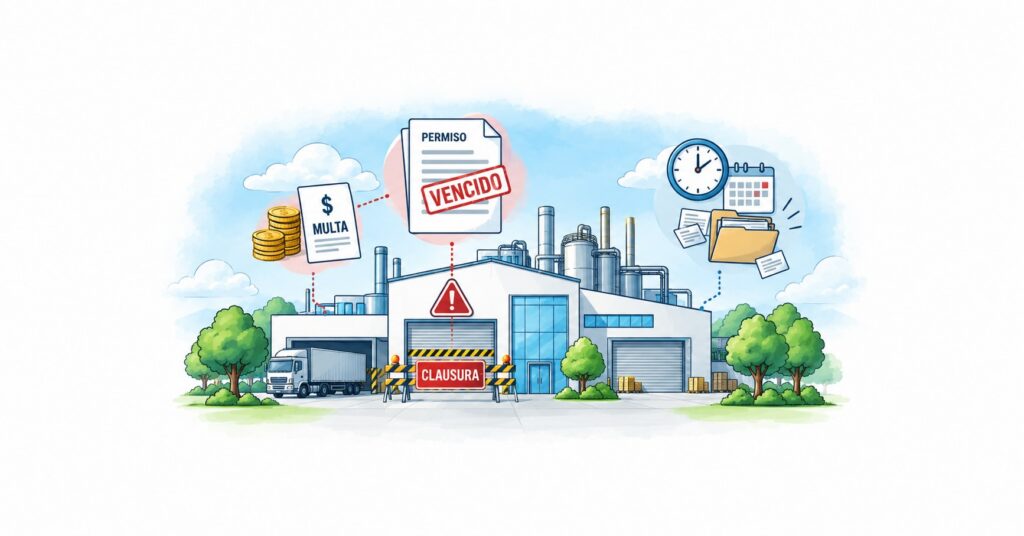
When people talk about the cost of an expired permit, the conversation usually starts and ends with the fine. That’s a miscalculation. The fine is the visible part, and often the cheapest part of the problem. The real cost is made up of layers, and the most expensive ones
Read MoreEHS Compliance Management with Multiple RFCs and Legal Entities
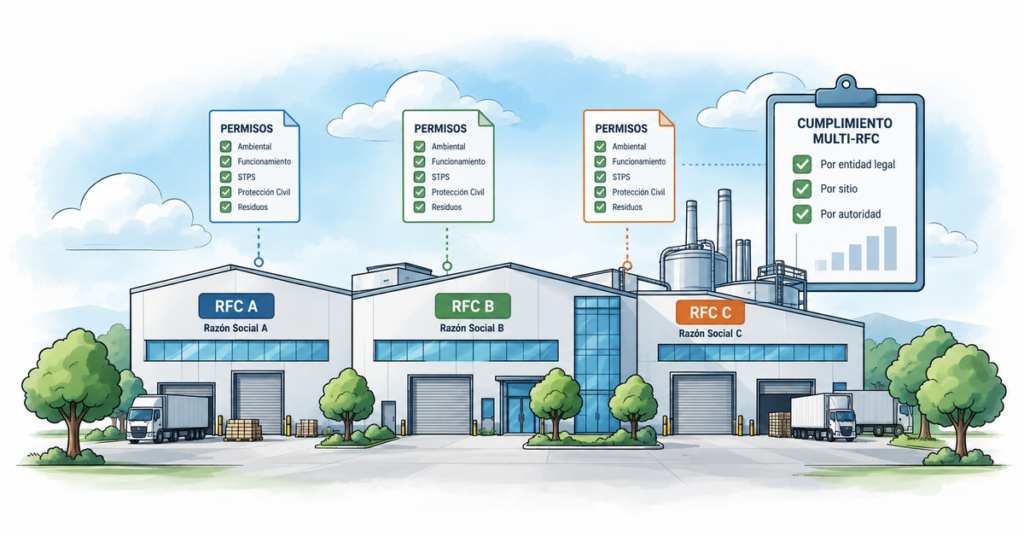
It’s common for different legal entities to coexist within the same facility: one for manufacturing, one for logistics, one for services. And it’s one of the questions that comes up most often when talking with industrial groups in Mexico: how is compliance organized when there are multiple RFCs on the same property, or multiple plants under different legal entities.
Read MoreInternal Civil Protection Program (PIPC): The Multi-State Obligation

The Internal Civil Protection Program is a key regulatory challenge in Mexico for a structural reason: although the framework is federal, the procedures and renewals are strictly local. What the authority accepts in Querétaro may not be enough in Tijuana, and Mexico City’s formats don’t apply in Nuevo León.
Read MoreThe STPS Inspection Has Arrived: Comprehensive Verification Guide for Manufacturing Plants
The inspector arrives at the front desk, identifies themselves, hands over the inspection order, and the clock starts running. What happens in the following hours depends on the level of prior documentary preparation of the operation, not on what gets improvised that day.
Read MoreEnvironmental Impact Assessment in Mexico: EIA and SEMARNAT Process
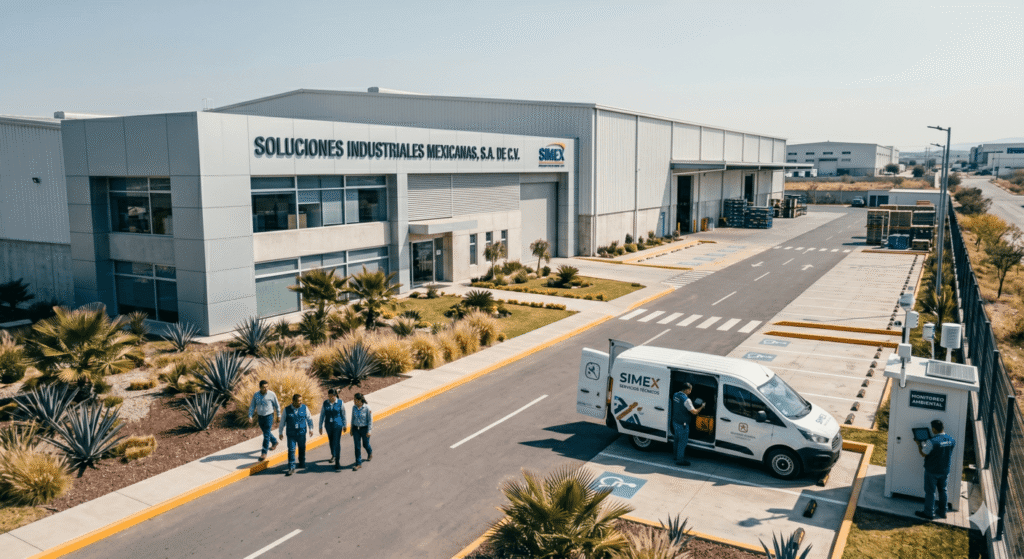
Any industrial project in Mexico that may affect the environment requires authorization from SEMARNAT through an Environmental Impact Statement. This is not a routine procedure. It is a legal requirement under the General Law of Ecological Balance and Environmental Protection (LGEEPA), and operating without it when required can result in facility closure, fines, and criminal liability.
Read MoreComplete Guide to STPS NOMs for Industrial Operations in Mexico

The Secretaría del Trabajo y Previsión Social (STPS) enforces 41 permanent Official Mexican Standards governing occupational safety and health across every employer in Mexico. These are not guidelines. They are mandatory standards with the force of law, and non-compliance carries fines of up to 5,000 UMAs ($566,300 MXN) per violation, with the possibility of facility shutdown for repeated or severe infractions.
Read MoreCOFEPRIS Compliance in Mexico: Health Licenses and Operating Requirements
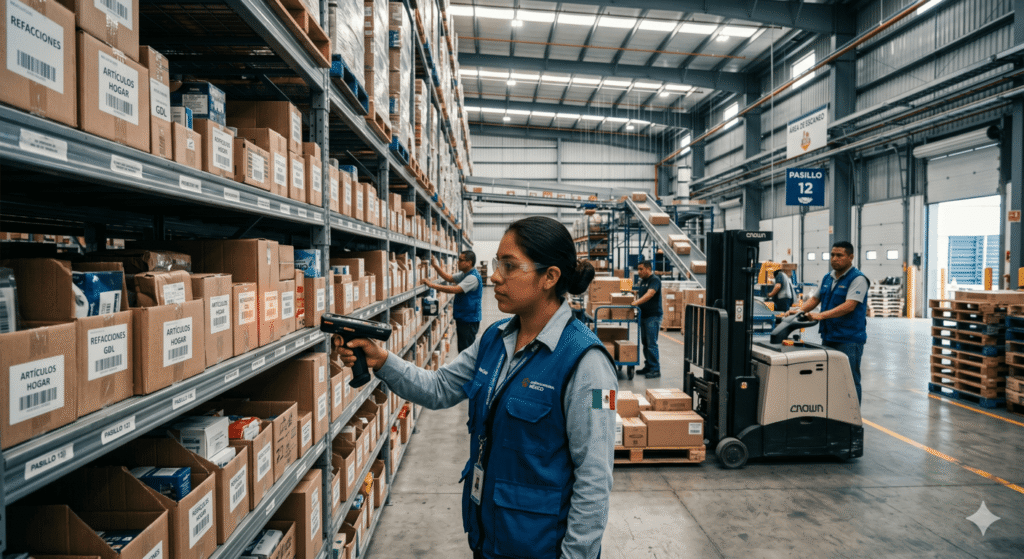
COFEPRIS — the Federal Commission for Protection against Sanitary Risks — regulates every business in Mexico that handles food, beverages, pharmaceuticals, medical devices, cosmetics, supplements, tobacco, pesticides or health services. Its jurisdiction is broad, its enforcement is aggressive and its consequences for non-compliance are immediate: COFEPRIS can shut down your operation the same day an inspector finds a violation.
Read MoreHazardous Waste Management in Mexico: NOM-052 and SEMARNAT Compliance
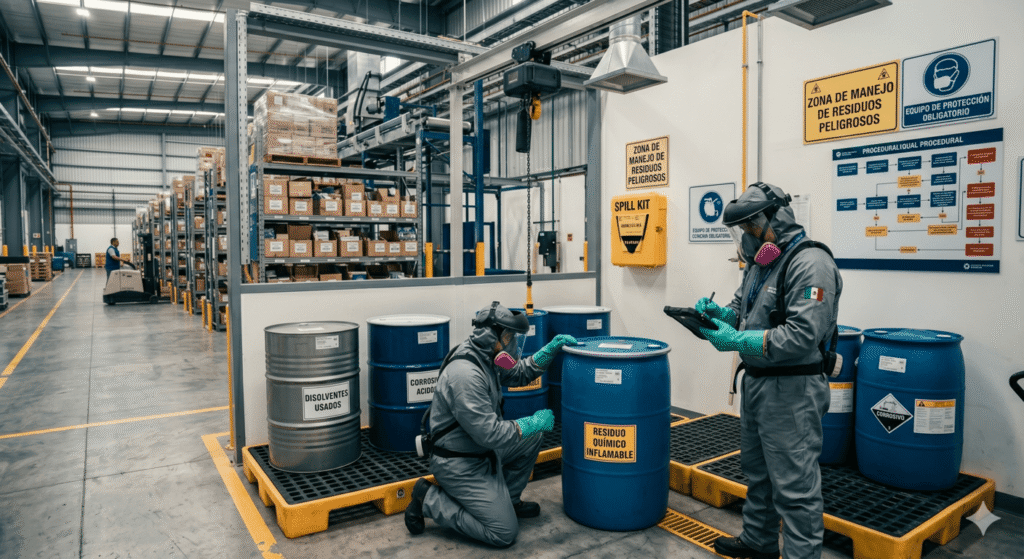
Any industrial operation in Mexico that generates hazardous waste — and most manufacturing, chemical, pharmaceutical, automotive, and electronics operations do — must comply with NOM-052-SEMARNAT-2005. This standard defines what constitutes hazardous waste and how it must be classified, stored, transported, and disposed of. PROFEPA enforces compliance aggressively, and violations can result in facility closure, fines, and criminal liability. Hazardous waste compliance is not a one-time registration.
Read More